By Janet Thompson
While I was finishing the first of three fish tacos on my plate, my friend was polishing off her third.
At banquet tables or eating out, I’m the last one to finish eating while the waiter hovers over my shoulder wanting to take away my plate.
I’m a slow eater. Some might say that’s because I talk a lot and like to socialize over a meal, but I also like to enjoy my food. I chew carefully and take my time between bites. I’ve been amazed at how fast some people eat. The trend toward eating “fast food” at “fast food restaurants” has definitely turned us into a population that eats too fast.
Or our schedules are so overcrowded that we have to gulp down our food so we can get to the next life event.
Nutritional experts agree that learning to eat slowly is one of the simplest, yet most powerful, things you can do to improve your overall health. Now that’s worth slowing down and learning about!
Are You Trying to Lose Weight? I’ve often had the fleeting thought that if I eat fast, I can eat more delicious food before my stomach tells me I’m full. That’s actually true. Or if I hurry through a meal, I’ll still have room for dessert. That might be true too. But I can guarantee you, I’ll soon be looking for the Tums to settle my stomach and I won’t be too happy when I step on the scales.
It takes about 20 minutes from the time you start eating for your brain to send out satiety signals. So theoretically, you could eat more if you eat fast, but that defeats any attempts at losing weight or helping prevent indigestion.
I’ve observed that the majority of people today don’t have meals that even last 20 minutes.
There’s no fooling our metabolism. No matter how fast you eat, more food still turns into more calories and possibly more pounds, any way you slice it.
Leisurely eating allows ample time to trigger the signal from your brain to signal when you’ve eaten enough and it’s time to stop. If you don’t let your body register that you don’t need to eat any more food, you could easily eat far more calories than your body needs.
The study to illustrate the importance of slowing down your eating if you’re trying to lose weight appeared in the January 2014 issue of Journal of the Academy of Nutrition and Dietetics.
Researchers found that you might consume fewer calories over the course of a meal when you eat slowly. An additional finding was that normal-weight people tend to chew more slowly in general than those who are overweight or obese.
Do You Suffer from Indigestion or Feeling Bloated? When we start eating, our body needs time to prepare for digesting our food. If you eat fast, you often don’t chew as carefully and take in extra air with every bite. So food arrives in your digestive track as a large lump before all the enzymes can get there to break it down and extract the nutrients. Improperly digested food mixed with air is going to give you a tummy ache.
A too full feeling isn’t comfortable, so if you let your body gradually reach its satiety point, you’re going to feel more satisfied, consume less calories, and let your body go through a healthy digestive process.
How Do You Know If You’re Eating Too Fast? If you say, “I’m so full I couldn’t eat another bite,” you’ve probably eaten too fast. Eating slower and reaching a comfortable satiety point means you’re satisfied before you feel “full” and uncomfortable.
If you’re hungry an hour or so after a meal, you may have eaten so fast you never let yourself reach the satiety point, resulting in eating between meals.
If you can’t remember what you ate at your last meal.
If you look up from your last bite, and everyone else at the table still has full plates.
If you often suffer from gas, bloating, or a tummy ache.
If you never feel satisfied after a meal.
If you take second and third helpings.
If meals at your house are something to rush through instead of savor and enjoy.
If you hear yourself saying to your kids, “Hurry up and eat!”
How Can You Start Eating Slower? Dr. Jan Chozen Bays, author of “Mindful Eating: A Guide to Rediscovering a Healthy and Joyful Relationship with Food”, says, “I think the fundamental problem is that we go unconscious when we eat.” So how can you stay in the moment while you’re eating?
Chew slower. The consensus is that we should take 40 chews per bite.
Eat raw and unprocessed foods that require more chewing.
Focus on what you’re eating – how it tastes, its texture, and if it’s pleasurable.
Don’t eat while watching TV, texting, looking at your phone or at the computer, or driving.
Try not to eat alone. Engage in conversation with others.
Put your fork down frequently.
Stop and take drinks of water between bites.
Eat three regular meals.
Don’t go more than four hours between meals. When you’re starving, you eat faster.
Don’t eat standing up. Sit comfortably, preferably at a table.
Create an inviting eating atmosphere. Set an attractive table with placemats or a tablecloth and maybe even a vase of flowers.
Stop and enjoy every bite.
“Fear less, hope more; eat less, chew more; whine less, breathe more; talk less, say more; hate less, love more; and all good things will be yours.” – Swedish proverb
Here’s a recipe that is a favorite at our church potlucks, where I obtained the recipe. I like to serve it for company or parties. Everyone always wants the recipe.
White Chicken Chili
1 lb. boneless cooked chicken breast shredded or 2 cans Costco canned chicken drained
1 32 oz. box of chicken bone broth
1 16 oz. jar salsa
3 15-oz. cans white beans, undrained
8 oz. block pepper jack cheese, cubed
2 tsp cumin (or more if you like it spicier)
Pepper to taste
Combine in crockpot or in cooking pot on the stove. Cook until heated through, flavors blend, and cheese melts.
Serve with topping options: sour cream, grated cheese, cilantro, chopped onion, diced avocado, and Fritos, or we like Trader Joe’s Organic Corn Dippers.
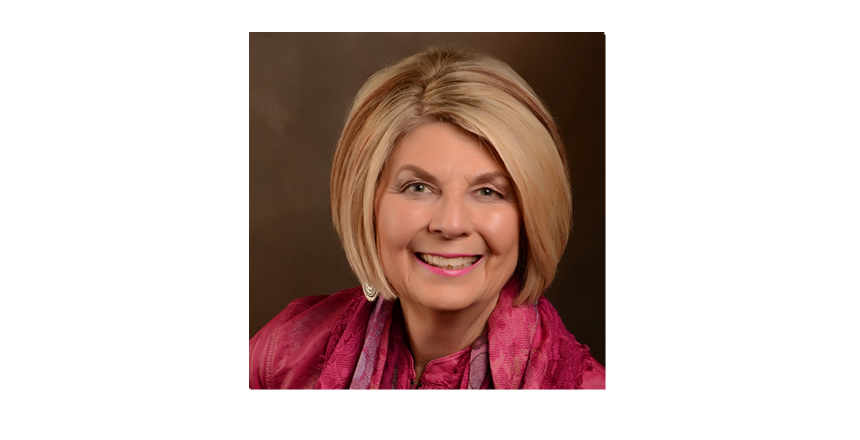
Janet Thompson, award-winning Christian speaker, freelance author, and author of 20 books, is also the founder, director, and God’s servant of Woman to Woman Mentoring Ministry and About His Work Ministries. Her passion and focus is mentoring the next generation. Her tag line is, “Sharing Life Experiences and God’s Faithfulness.” She has a BS in Food Administration, MBA, and Master of Arts in Christian Leadership. Check out her books and sign up for her free weekly online blog and monthly newsletter at womantowomanmentoring.com. Join her on www.facebook.com/Janetthompson.authorspeaker, LinkedIn, Pinterest, X, and Instagram.